
About me
I lead AI and Machine Learning projects focused on deep learning, with applications spanning perception, language models, graph neural networks, temporal modeling, autonomy, path planning, and signal processing.
- AI/ML @Northrop Grumman
- Manhattan Beach, CA
- M.S. Computer Science @Georgia Tech
- M.S. Aerospace Engineering @UCLA
Experience
Northrop Grumman Corporation
Leading AI and Machine Learning projects focused on deep learning, with applications spanning perception, language models, graph neural networks, temporal modeling, autonomy, path planning, and signal processing.
Selected projects:
- Principal Investigator for Strike-Aligned AI Research, guiding projects from from early-stage research through cross-program collaboration, stakeholder engagement, and program insertions.
- Architected transformer-based neural networks for constrained multi-objective path planning, learning optimal trajectories that minimize detection risk while satisfying mission constraints; designed end-to-end training pipelines combining behavior cloning pretraining with gradient-based reinforcement learning fine-tuning.
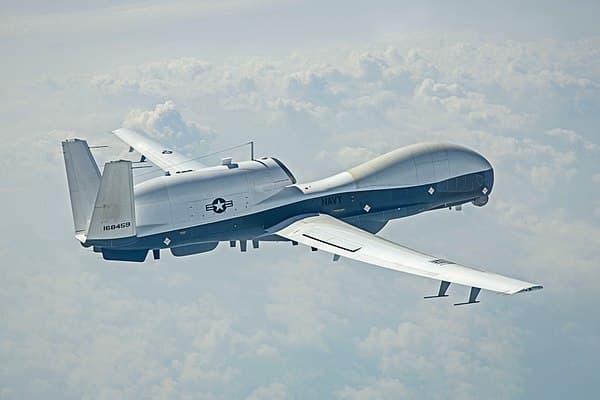
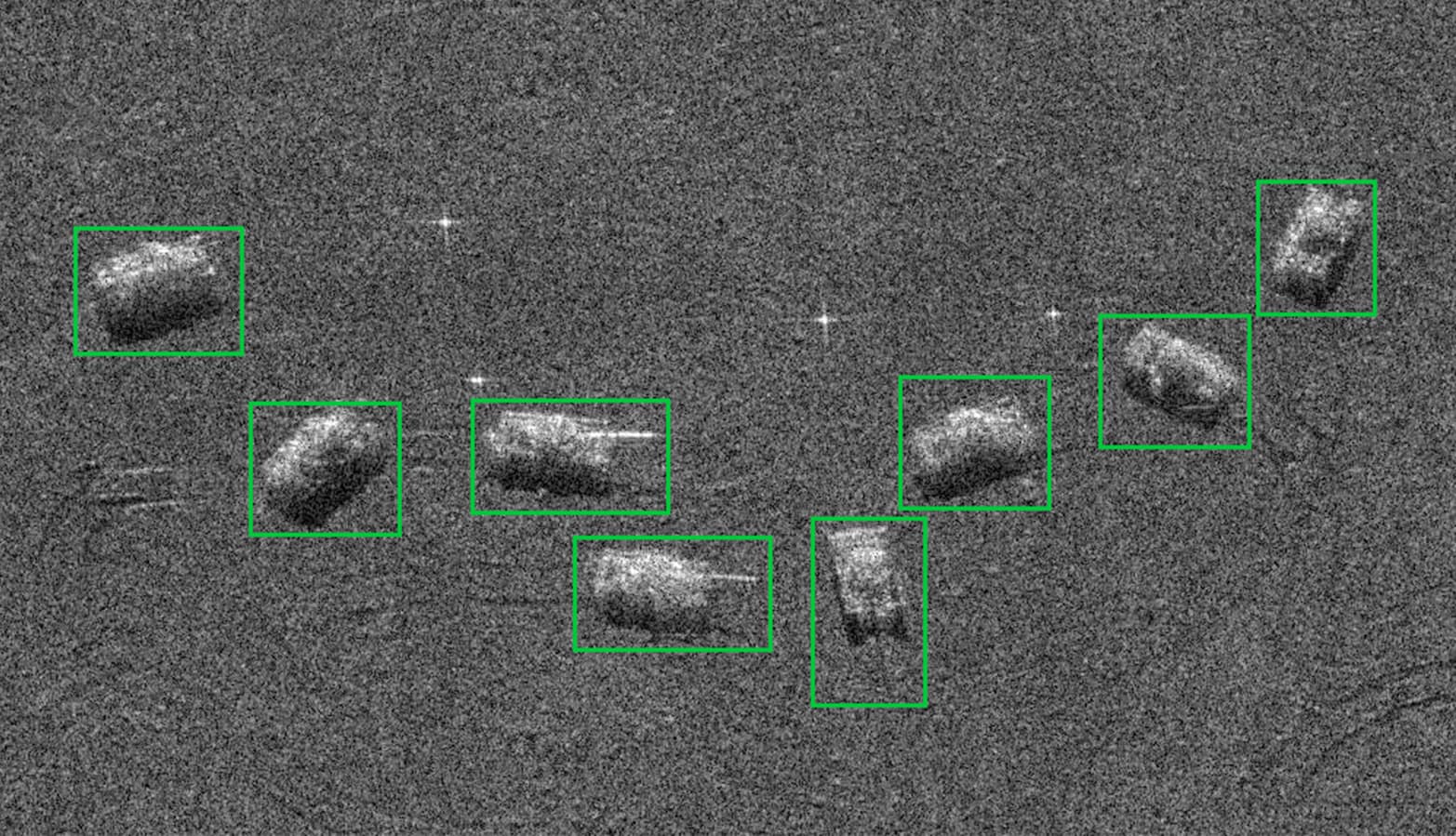
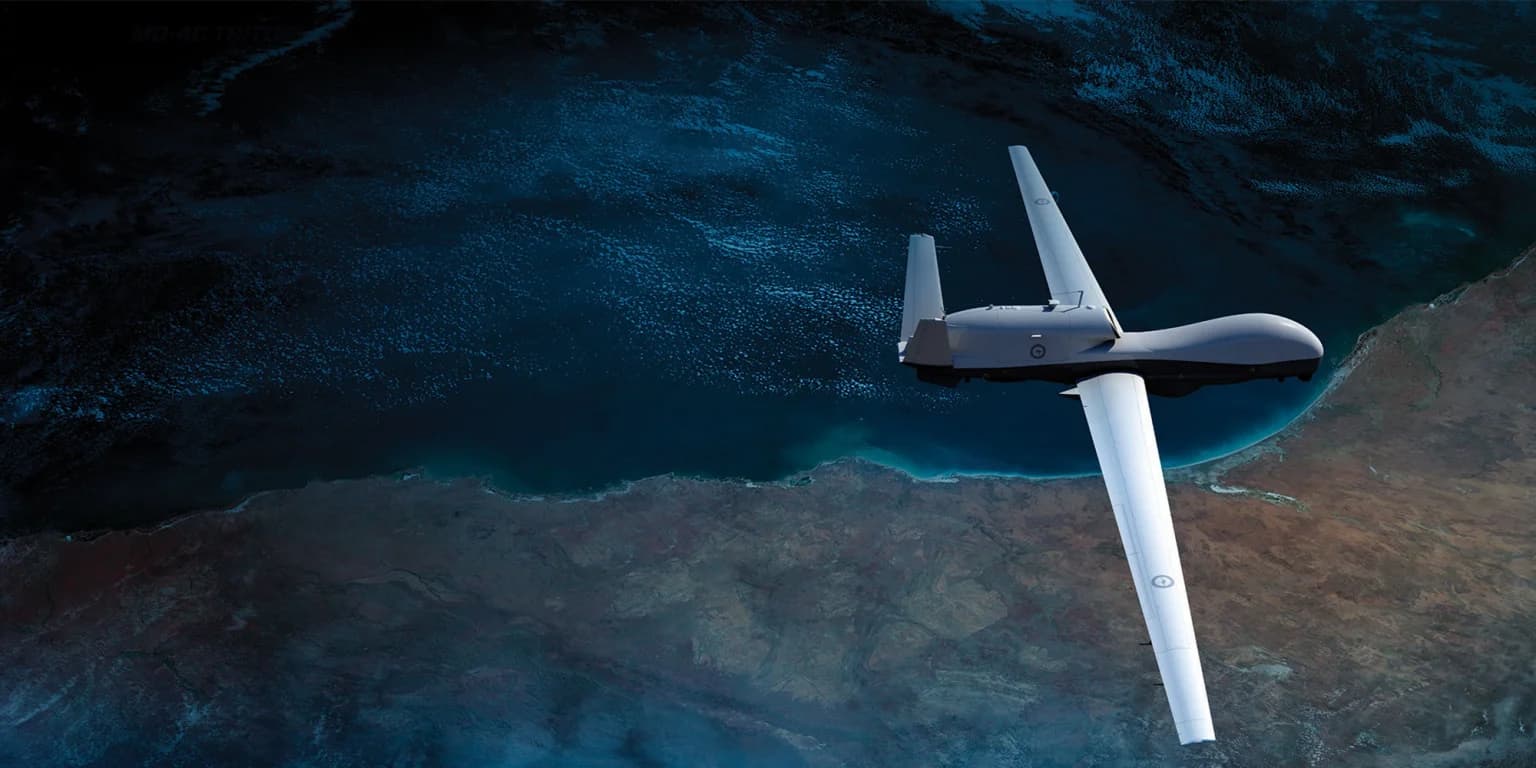
- Architected complex-valued neural networks better exploiting both magnitude and phase in SAR and optical data; successful SAR ATR demo deployed on Triton.
- Architected transformer-based neural networks that predict the optical response of metaoptics faster and more accurately than traditional simulation methods; Trade Secret granted, NG Innovation Award, and paper published in Optics Letters.
Electromagnetic Systems Inc.
Deep learning with SAR imagery.
- Research and development of complex-valued neural networks exploiting both magnitude and phase data in SAR under National Geospatial-Intelligence Agency (NGA) Boosting Innovative GEOINT BAA.
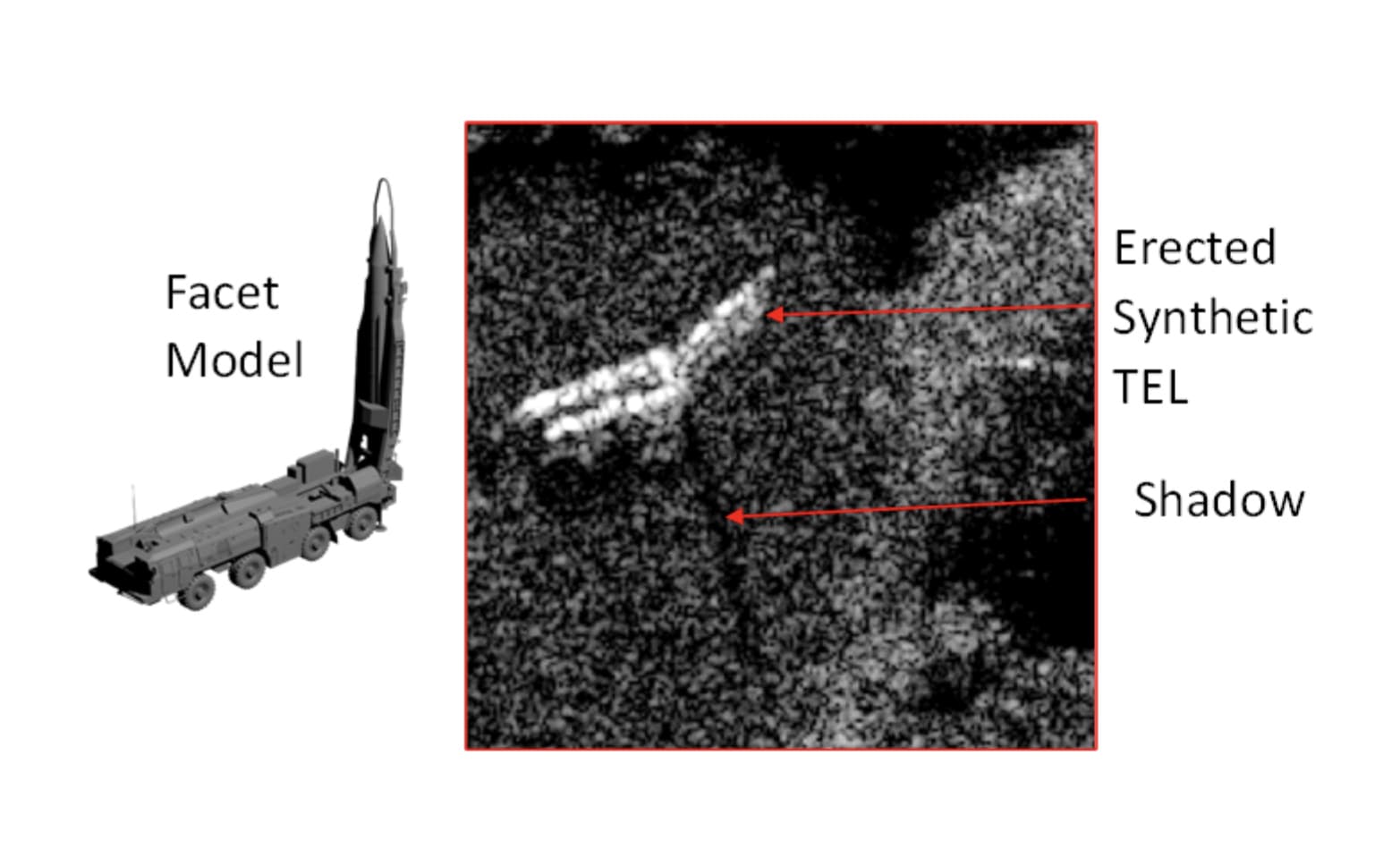
- Evaluated domain shift bias from training with synthetic data; combined collected with synthetic data using transfer learning to significantly improve model performance.
- Redeveloped existing models to modern SOTA single-shot architectures improving performance.
- Presented work at 2020 SAREM forum in Chantilly, Virginia.
Northrop Grumman Corporation
Machine Learning and autonomy; worked with the Cognitive Autonomy Research Group.
- Developed and trained neural networks for satellite imagery perception and anomaly detection with time-series telemetry data.
- Developed trajectory optimization and nonlinear state estimation algorithms and supporting simulation platform for autonomous formation flying.
The Aerospace Corporation
Machine Learning, GNC (Guidance, Navigation & Control), and Modeling & Simulation for national security space supporting the U.S. Space Force and National Reconnaissance Office (NRO).
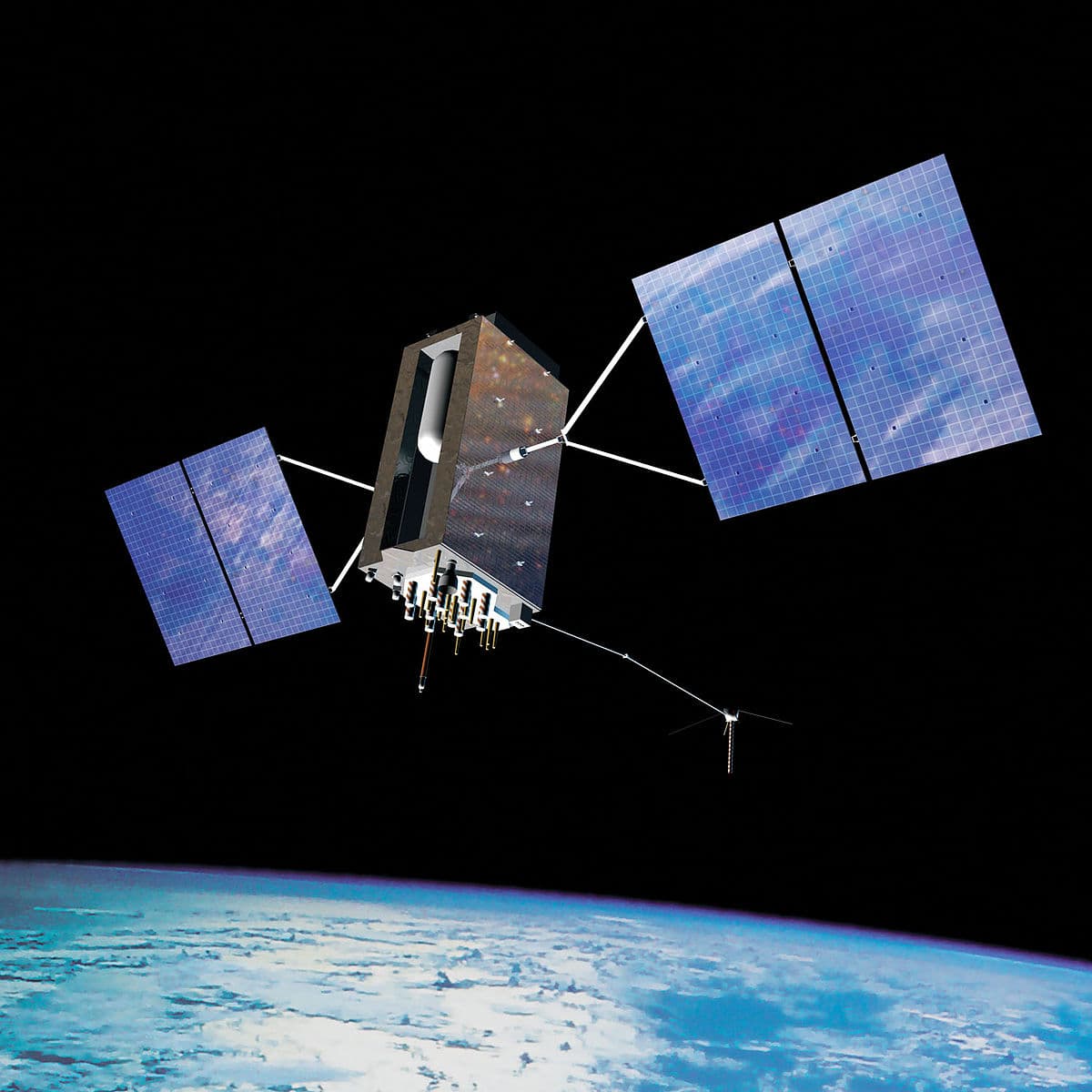
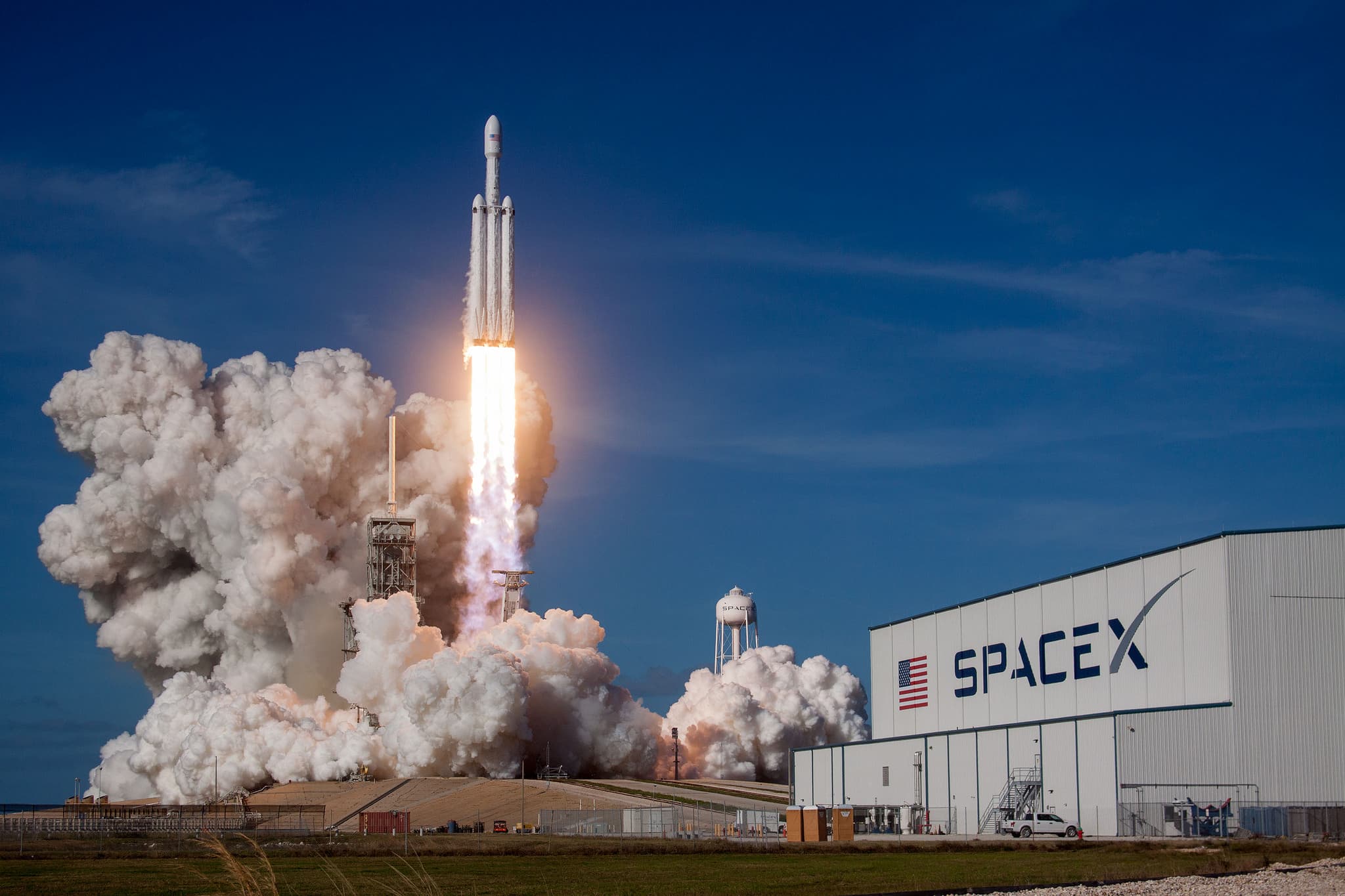
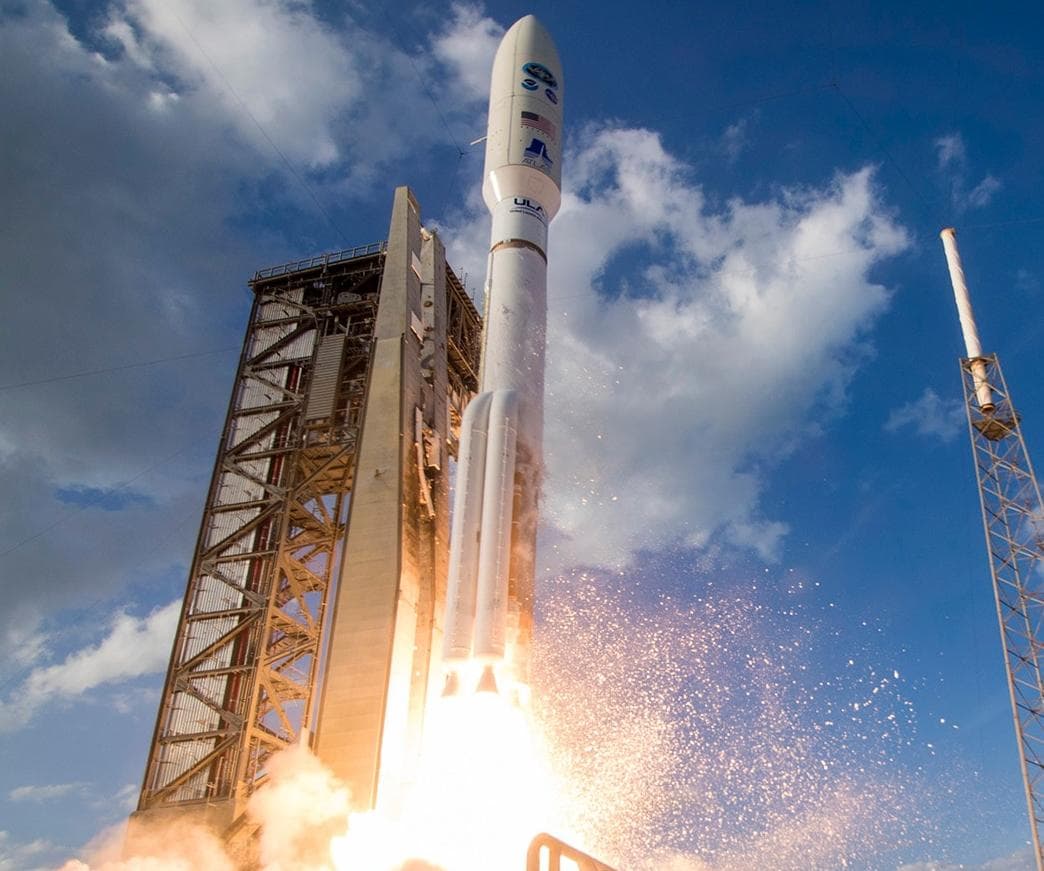
- Led a team working on the next-generation GPS satellite constellation (GPS Block III) and contributed to launch vehicles (Atlas V and Falcon), missile systems, and other satellite constellations.
Space Systems Loral
GNC (Guidance, Navigation, & Control) and Modeling & Simulation for satellites.